BBL Speaker Series: Prioritizing Human-Centered AI Development: An Interdisciplinary Approach Towards Designing Resilient Human-Machine Systems
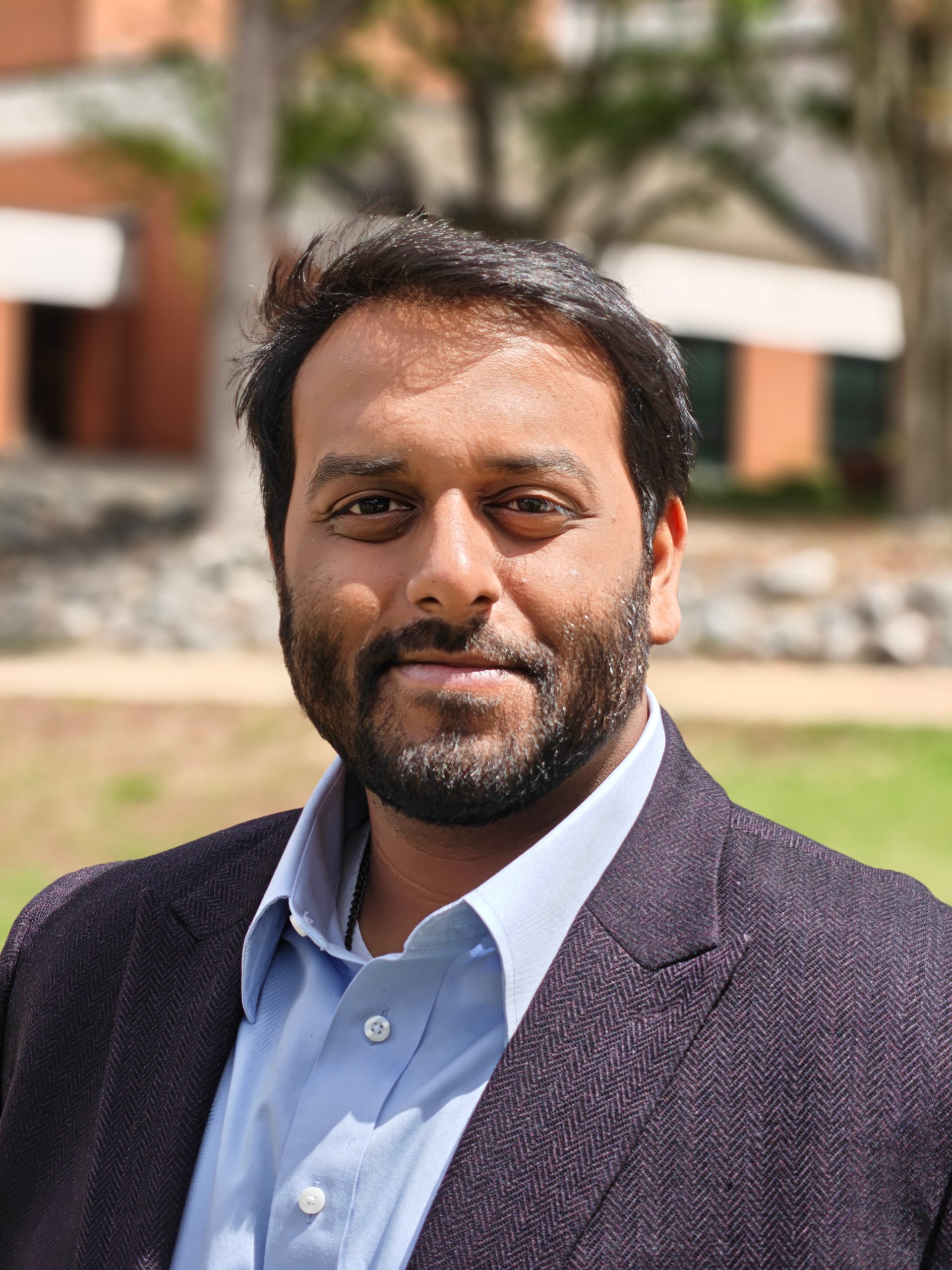 Talk Title: Prioritizing Human-Centered AI Development: An Interdisciplinary Approach Towards Designing Resilient Human-Machine Systems
Speaker: Rohit Mallick, Postdoctoral Research Associate, College of Information, University of Maryland, College Park ; Assistant Director, Organizational Teams & Technology Research Society
Location: HBK 2105 and Zoom
Abstract: In a rapidly evolving world, artificial intelligence (AI) has become a pivotal technology with the potential to transform nearly every industry and shape new, efficient work processes. However, without prior consideration of human-centered design principles, AI also has the potential to disrupt how humans learn, adapt to adversity, and become better versions of themselves. My research focuses on bridging the gap between humans and AI technologies, fostering a positive, collaborative relationship that preserves task efficiency. In this presentation, I will discuss my previous work investigating trust dynamics, situation awareness, and the socio-emotional factors that influence team resiliency, safety, and morale. These interrelated human factors allow for notable contributions to the fields of Human-AI Teaming, Human-Computer Interaction, Human Factors, and Affective Computing.
Bio: Rohit Mallick is a Postdoctoral Research Associate in the College of Information at the University of Maryland, College Park. He is also the Assistant Director of the Organizational Teams & Technology Research Society (OTTRS) and is affiliated with several interdisciplinary groups across UMD and Clemson that study the intersection of human behavior and next-generation AI. Dr. Mallick earned his Ph.D. in Human-Centered Computing at Clemson University and Bachelors of Science in Brain and Behavioral Sciences at Purdue University. Leveraging research experience for over 12 years through previous internships/assistantships at the United States Army Research Laboratory and Purdue University’s Computational Cognitive Neuroscience Laboratory, Dr. Mallick actively works to provide diverse perspectives in the design of AI technologies to promote the well-being of their human collaborators.